

Spring
Application #1
(March 1st – April 19th)
14-2-4 (50% MOST) (50% PCR) (1% Fe) .37 Prodiamine
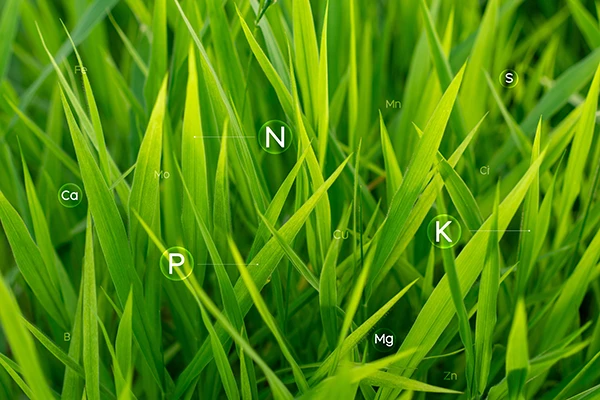
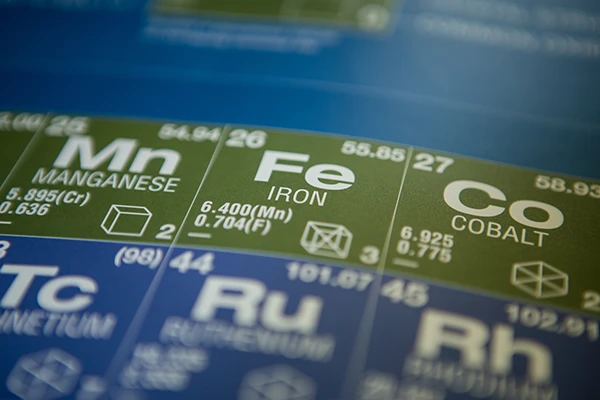
This application uses a product that is a complete fertilizer. It is made up of 50% organic material and micronutrient activity and 50% slow release. It contains Iron that will help in the ensuring of a greener lawn, while also containing a pre-emergent to control grassy and broadleaf weeds. These weeds include crabgrass, dandelion, clover, yellow woodsorrel, quackgrass, and creeping bentgrass.

Late Spring
Application #2
(April 22th – June 7th)
5-0-2 (50% XCU) .13 Dithiopyr
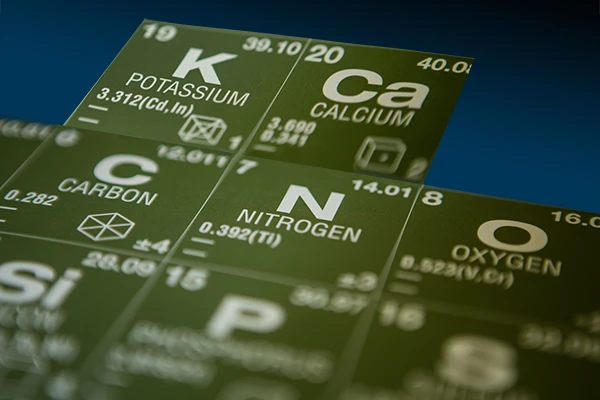
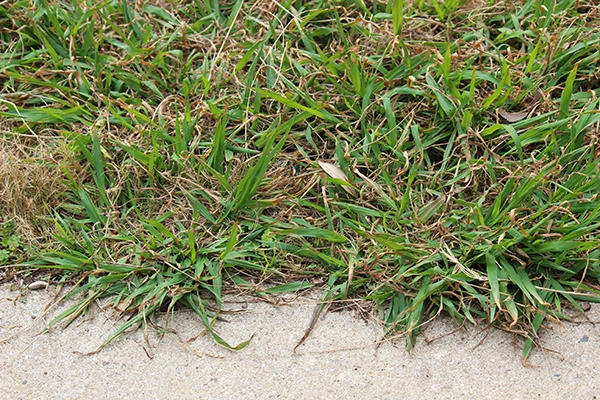
This application uses a product that is 50% slow release fertilizer with Nitrogen and Potassium. Nitrogen is a key component of chlorophyll. It not only helps maintain a green color in turfgrass, but it promotes new leaf and shoot growth. It plays a part in the recovery in turfgrass from stresses such as mowing, foot traffic, and other environmental factors. Potassium is also a vital nutrient in turfgrass. It activates enzymes, controls water movement with the plant, and allows the plant to be more tolerant of external stresses as well. A pre and post emergent for further crabgrass control is included in this application.

Summer
Application #3


(June 10th – July 26rd)
0-0-6 (.069% Bifenthrin)
This application uses a based potassium fertilizer to further strengthen the cell wall of the plant. This product is used to control surface feeding lawn insects including fleas and ticks. Adding a grub control product with this application is a great way to control subsurface insects as well. Grubs are the larvae of the Japanese beetle and a favorite food among skunks. If you’re seeing small areas in your yard that are being dug up, it’s a sure sign that skunks and grubs are present.

Late Summer
Application #4
(July 29th – September 13th)
SynaCal Enhanced W/Colony
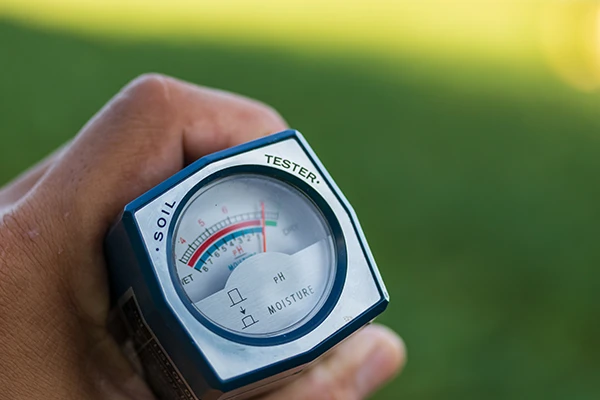
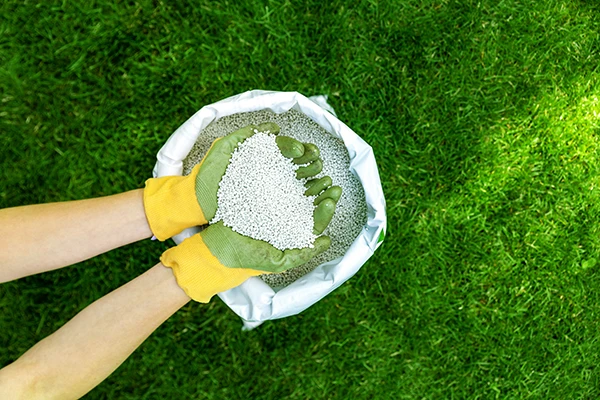
This application uses a fast-acting lime that also contains proteins, humates, and amino acids. Lime is used to increase the pH in your soil. Making the soil less acidic enables the plants to access nutrients such as calcium, magnesium, and potassium in the soil. The ideal pH level for most lawns is between 5.8-7.0. This application also prepares lawns that may need/want to be reseeded. Core-Aeration and Slit Seeding can be performed at this as well. It is important to address the pH in your soil at least once a year for the best results when re-seeding.

Fall
Application #5
(September 16th – November 1st)
4-4-4 (85% Most) (1.5% FE) W/ Tri-Force
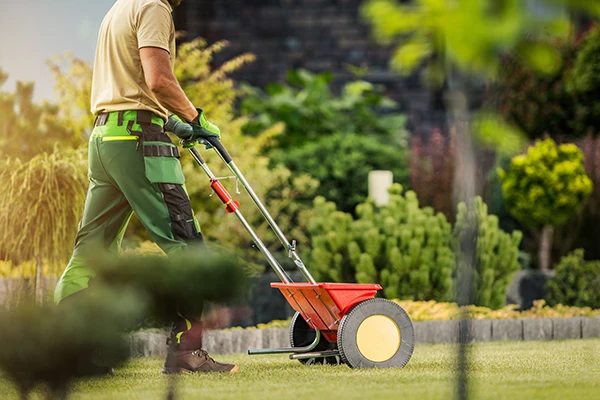
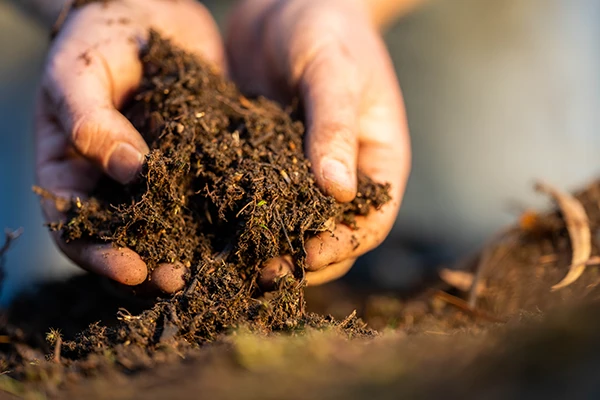
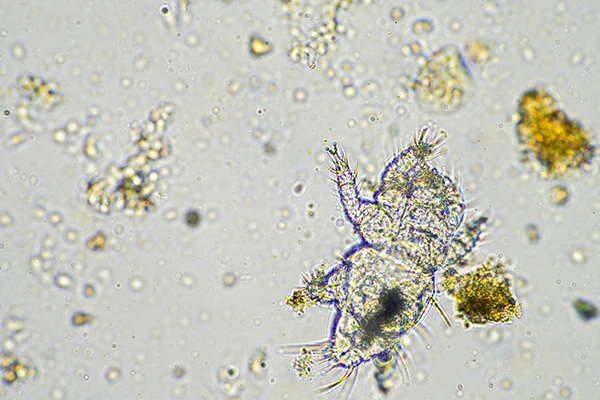
This application is focused on addressing the needs of the soil with a complete fertilizer that is 85% organic. Iron is included to again “green-up” the turf. Tri-Force includes an important combination of amino acids, proteins, and humic acid. Amino acid plays an important role in the soil’s nitrogen cycle as a readily available source of nitrogen and microbes. The soil microbes play a crucial role in the breaking down of proteins, which is a key component of the soil nitrogen cycle and an important indicator of a soil’s health. Humic acid is a naturally occurring organic compound that can bind to nitrogen, phosphorus, and potassium, preventing them from leaching out of the soil and making them readily available for plants.

Late Fall
Application #6
(November 4th – December 13th)
16-2-3 (50% Most) (30% XCU) (2% AS) (1% FE) W/Tri-Force
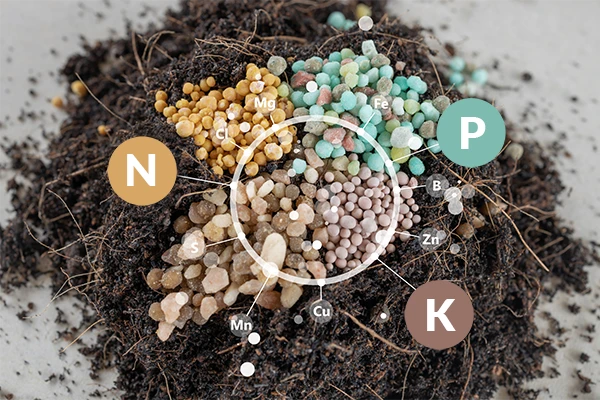
This application, although the last of the season, is vital to your lawn and soil’s health the following spring. It includes many of the elements that have been discussed in previous applications. Nitrogen, Phosphorus, Potassium, micro-nutrients, amino acids, and humic acid are all included. Grass Roots Turf Care considers this the first application for the following growing season. Remember fall is the best time to fertilize your lawn.